


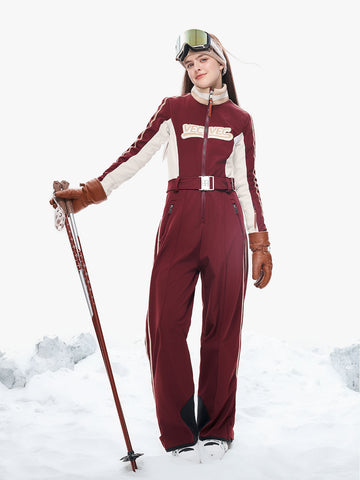
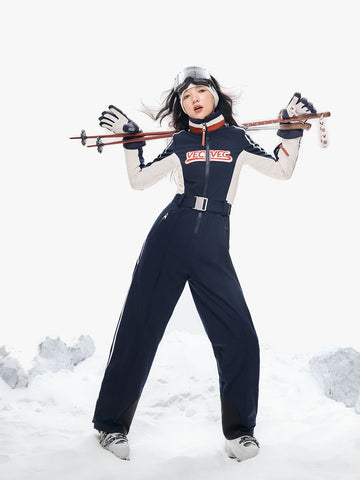
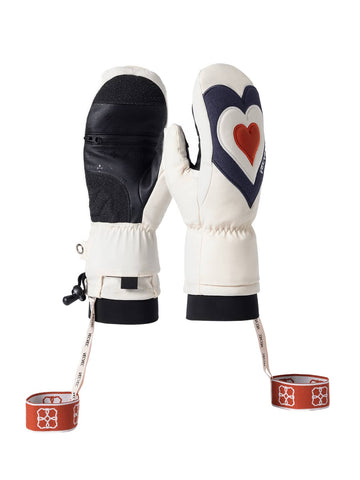
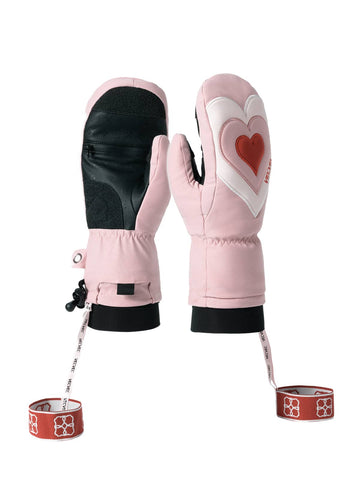


Winter offers kids countless joyful outdoor moments—from stroller walks on frosty mornings to snowball fights and family ski trips. When preparing cold-weather gear for little ones, a reliable kids snow suit serves as the foundational outer layer for everyday winter outings. Choosing snow suits for babies and toddlers is never merely about picking attractive designs. Given children’s delicate skin, immature temperature regulation, and active personalities, winter outfits must balance warmth, safety, flexibility, and practicality. For families who love winter sports, a professional kids ski jacket becomes essential to handle intense outdoor activities such as skiing and sliding. Meanwhile, complete winter protection also requires supportive accessories, and investing in the best kids ski gloves effectively shields little hands from frostbite and cold wind. Different ages, activity levels, and winter scenarios require tailored snow gear. This comprehensive guide covers all core purchasing factors to help parents select comfortable, functional, and durable snow suits for babies and toddlers.
Pick the Right Snow Suit Style by Age and Usage
Snow suits for babies and toddlers are divided into mainstream styles to fit different growth stages and daily scenarios, and choosing the correct style is the first step to practical use. Newborns under six months are best suited for cocoon-style bunting suits. The integrated leg-free design fits infants’ natural curled posture, providing soft, wrap-around warmth for stroller naps and short outdoor transfers, though it is not fit for walking or intense activities.
One-piece pram suits are the most practical option for babies aged 0 to 24 months. With full body coverage, fold-over mittens and foot covers, they avoid heat and snow leakage while solving the trouble of lost small accessories. The asymmetrical full-length zipper greatly simplifies diaper changes, making it perfect for daily daycare and casual winter walks. For active toddlers over 18 months, two-piece suits consisting of jackets and bib pants are ideal. The separable design offers high flexibility: the jacket can be worn alone on mild days, while the full set provides all-round snow protection. Bib pants effectively block cold wind and melting snow and bring convenience for toilet-training kids.
In addition, families who drive frequently need dedicated car-seat snow suits. Different from ordinary thick padded styles, they adopt low-bulk torso filling to ensure car seat harnesses fit closely to the child’s body, eliminating the safety hazard of loose straps caused by bulky clothing compressing under pressure.
Focus on Core Fabric Performance for Winter Protection
Fabric quality directly determines the warmth and durability of snow suits, with waterproofing, breathability and insulation being three core indicators that parents must focus on. It is essential to distinguish waterproof and water-resistant fabrics. Fully waterproof materials fully taped seams can completely isolate melted snow and slush, which is a must for kids who love rolling and sliding in snow. Water-resistant fabrics only resist light snow and slight dampness, suitable for static outdoor activities rather than long-time snow play.
Most high-quality snow suits are coated with durable DWR water-repellent treatment, allowing water to bead up and roll off the fabric for daily anti-wet protection. Breathability is equally important. Overheating and sweat accumulation are more likely to make kids sick than coldness. Breathable fabrics and built-in zippered vents can dissipate heat in time during activities, preventing sweat-chill after indoor transition.
In terms of insulation, lightweight synthetic insulation is the most suitable filling for kids. It is fluffy, not easy to clump after washing, and can retain warmth even when damp. Fleece-lined styles fit mild and dry winter days, while down filling is not recommended for active toddlers, as it will lose thermal performance once soaked and is hard to dry.

Master Scientific Sizing and Practical Details
Reasonable fit is the key to balancing comfort and safety. Many parents tend to buy oversized snow suits for long-term use, but excessively loose fabric will drag on the snow, cause tripping risks and let cold air and snow penetrate. Too-tight suits will squeeze inner thermal layers, restrict crawling, squatting and jumping movements, and reduce warmth retention.
The ideal size reserves enough space for a thin breathable base layer without bulkiness. Parents can do a simple mobility test: kids can stretch arms, hug their bodies and squat freely, which means the size is appropriate. Snow suits with extendable cuffs and adjustable waists are cost-effective, adapting to kids’ rapid growth and extending service life.
Thoughtful functional details optimize daily use experience. Full-length leg zippers facilitate quick diaper changes, while elastic cuffs and internal gaiters effectively block wind and snow. Reinforced knee and seat fabrics resist wear for active toddlers who often sit and kneel on snow. Zippered sealed pockets can safely store small items such as candies and lift tickets.

Follow Essential Winter Safety Rules
Safety is the top priority for kids’ winter outfits. Thick fluffy snow suits are strictly prohibited in car seats, as the compressed padding will lead to loose harnesses and hidden safety risks. It is recommended to dress kids in thin base layers for car rides and cover them with blankets after buckling up. Besides, toddlers should never sleep in snow suits. The poor breathability of outdoor snow gear will cause excessive heat accumulation, bringing overheating hazards during sleep.
Conclusion
Overall, the perfect snow suit should match local winter climate, kids’ age and activity levels. Prioritize safety, breathability and practicality over pure appearance, so your little ones can enjoy warm, comfortable and safe winter outdoor experiences.
FAQ
Q: Are two-piece snow suits better than one-piece styles?
A: Yes for active toddlers over 18 months. They are flexible for mild or snowy days and easier for toilet training kids to use.
Q: Is DWR coating necessary for kids’ snow suits?
A: Yes. It makes water roll off the fabric for daily wet protection, and can be refreshed with spray treatment after wear.
Q: Should I buy oversized snow suits for longer use?
A: No. Oversized suits cause tripping risks and let cold air in. Choose well-fitted styles with extendable cuffs for growth.


