



Every winter, outdoor fans start to plan their trips and ask when does ski season start, as proper preparation is key to a pleasant snow experience. Choosing high-performance snow wear is far more important than most people realize, since unsuitable outfits often lead to bulkiness, restricted movement or insufficient warmth on cold and humid snowfields. No matter if you are a snow sports beginner or upgrading your professional snowboard jacket, this guide offers targeted and practical advice. It systematically introduces mainstream thermal insulation materials and scientific filling standards. Combined with the latest body-mapped padding technology, it helps you pick suitable snow clothing according to different activity intensities.
Core Insulation Materials for Snow Clothing
All thermal insulation works by trapping static air in fiber gaps, as stagnant air effectively slows body heat loss. Each material has unique strengths and weaknesses for snowy, low-temperature and humid environments. Below are the most practical options for snow wear.
-
Down
Natural duck and goose down boasts an unmatched warmth-to-weight ratio and compressibility. Fluffy down clusters lock massive air, delivering superior warmth with ultra-light weight, and can be compressed small for easy carrying, ideal for long outdoor snow trips. Its biggest flaw is poor moisture resistance: down clumps and loses almost all thermal performance once soaked by melted snow or sweat, and dries extremely slowly. High-quality down also comes with a premium price. It fits dry, ultra-cold snowfields and low-intensity activities like snow sightseeing and static rest.
-
Synthetic Fiber
Polyester-based synthetic fiber is the most versatile daily snow wear material. Its greatest advantage is stable warmth when wet, plus fast drying and low maintenance cost, perfectly adapting to damp, changeable snowfield weather. It is affordable and durable for repeated washing. The downsides are slightly heavier weight and lower compressibility than down. Ordinary synthetic fiber is the best choice for entry-level skiing and daily snow outings.
-
High-Performance Hybrid Insulation (Primaloft & Thinsulate)
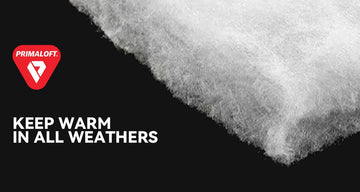
As upgraded synthetic materials, Primaloft and Thinsulate combine the strengths of down and ordinary polyester. Primaloft simulates down’s fluffy cluster structure, achieving near-down warmth-to-weight ratio while remaining water-resistant and quick-drying. Thinsulate features ultra-thin filling that provides stable warmth without bulk, ensuring maximum movement flexibility. These two hybrid materials are widely used in mid-to-high-end ski suits, suitable for medium and high-intensity snow sports.
-
Wool Blend & Fleece
Wool blends retain warmth even when damp and have excellent sweat-wicking properties, softer and lighter than pure wool, perfect for snow base and mid-layers. Fleece is cost-effective, breathable and soft, efficiently discharging exercise sweat. However, fleece has no windproof or waterproof ability, so it can only be used as a middle layer matched with a windproof outer shell, adapting to mild snow weather above -5°C.

Scientific Filling Volume & Body-Mapped Padding Technology
Material selection determines basic performance, while filling weight and padding design decide actual comfort and temperature adaptability. Traditional uniform filling causes obvious defects: insufficient warmth on the torso and restricted movement on limb joints. The 2026 popular body-mapped partition insulation padding —also referred to as zonal insulation — optimizes this flaw, matching differentiated filling according to human body heat loss rules and movement characteristics.
This scientific design adds thickened insulation on high heat-loss areas (chest, back, waist and hoods) for stable cold resistance, and adopts thin, lightweight filling on flexible parts (armpits, elbows and knees) to ensure unobstructed movement. Vector also applies this advanced zonal insulation technology to its products, featuring differentiated filling weights on the main body and sleeves to deliver targeted warmth and unrestricted athletic mobility. High-end ski suits even use mixed filling: down for the torso for light warmth, and synthetic insulation for sweat-prone joints to resist moisture, greatly improving overall practicality.
Filling Weight & Scenario Matching Rules
-
Down Snow Wear (Fill Power + Fill Weight)
Fill power (FP) represents down quality, while fill weight determines overall warmth. 600–700 FP down (80–120g fill weight) is designed for casual snow activities. 700–800 FP down (120–180g fill weight) suits amateur skiing and features basic body-mapped padding. 800+ FP high-end hydrophobic down (180–250g fill weight) is intended for ultra-cold regions and professional snow exploration.

-
Synthetic Snow Suits (g/㎡ Filling Standard)
Light filling (60–120g/㎡): ideal for high-intensity skiing to prevent overheating and perspiration. Medium filling (120–200g/㎡): the most multi-purpose choice with standard body-mapped padding, fitting most skiing scenarios. Heavy filling (200–300g/㎡): designed for frigid conditions and low-output outdoor activities on high-latitude snow terrain.

-
Mid-Layer Fleece & Wool Blend
Conventional 200–300g/㎡ fleece works for mild snow outings, while 300–400g/㎡ thickened wool blends serve colder outdoor trips. Both must be paired with a windproof outer jacket and cannot be worn alone on snowfields.

-
Scenario-Based Selection Tips
For casual snow sightseeing, choose 700FP medium-weight down or 120–150g/㎡ medium synthetic cotton for balanced lightness and moisture resistance. For amateur skiing, prioritize Primaloft hybrid insulation or hydrophobic down suits with complete body-mapped padding to balance warmth and flexibility. For professional high-intensity snow sports, select 800+ FP hydrophobic down mixed with synthetic insulation, with box-baffle construction to eliminate cold spots. For low-intensity activities in ultra-cold areas below -15°C, opt for 250–300g/㎡ heavy synthetic cotton for full-scale cold protection.
Conclusion
There is no one-size-fits-all insulation for snow clothing. Down excels in lightweight extreme warmth, while synthetic and hybrid materials dominate damp and high-exercise scenarios. The modern body-mapped partition padding technology solves the drawbacks of traditional uniform filling, making snow wear more ergonomic. When purchasing, first confirm the local snowfield temperature and your activity intensity, then match the insulation material and filling weight according to industry standards. Avoid blindly pursuing excessive thickness or high-end materials. The most suitable insulated clothing will keep you warm, flexible and comfortable, allowing you to fully enjoy snow activities.
FAQ
Q: Is down snow wear suitable for high-intensity skiing?
A: Ordinary down is not recommended. It fails when damp from sweat or melted snow. Only hydrophobic down with mixed synthetic filling works.
Q: Can fleece and wool blend be worn alone on snowfields?
A: No. They lack windproof and waterproof performance and must be matched with a windproof outer snowboard jacket.
Q: Are heavier snowboard jackets always warmer?
A: No. Warmth depends on the fill power of insulation and clothing structure like body-mapped padding and cold-bridge prevention. A lightweight jacket with 800FP down and partition filling can be warmer and more flexible than heavy low-quality synthetic outerwear.


