
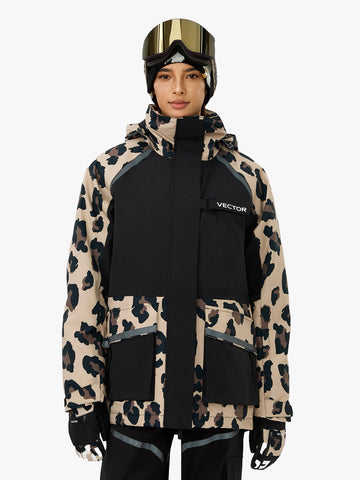

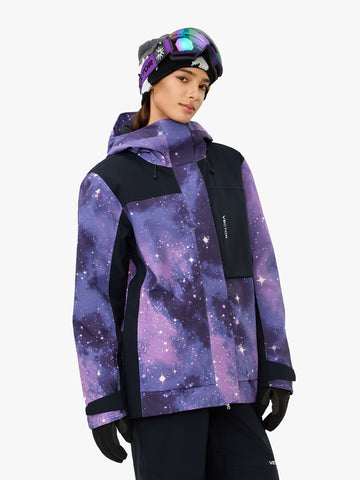


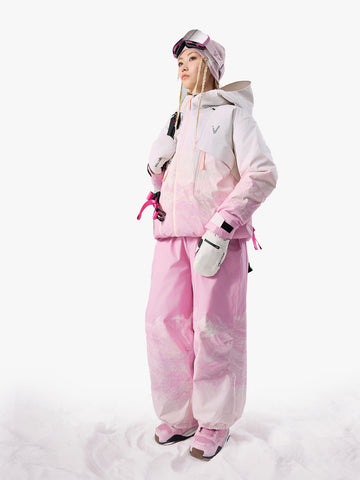


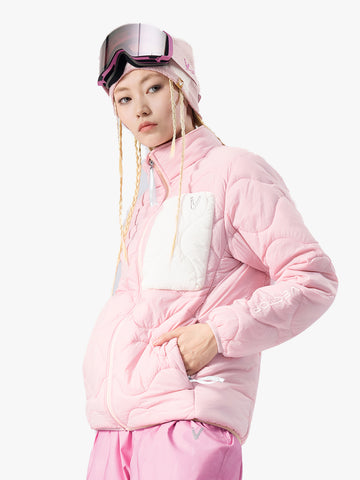
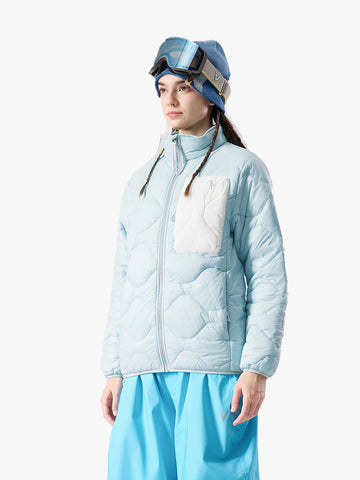


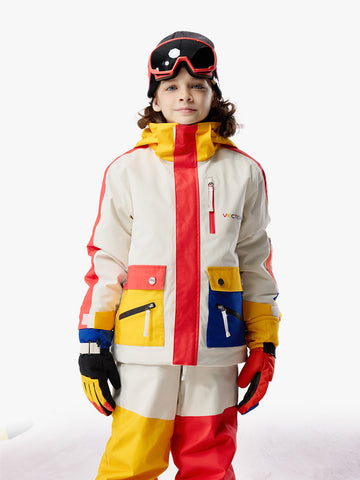
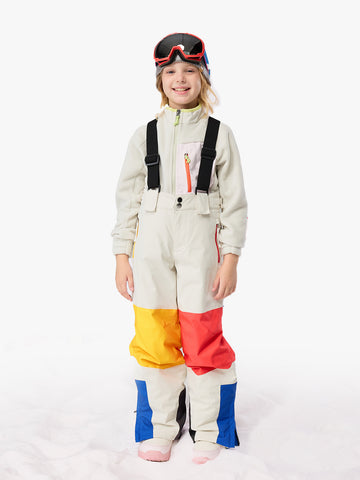



Once people begin to wonder when does ski season start, they turn their attention to assembling practical snow wear. Many devote all their attention to protective outerwear and cozy base layers when curating high quality skiing gear, leaving the mid-layer underappreciated. It serves as the core insulating layer in the traditional three-layer system, positioned between sweat-wicking base layers and waterproof outer shells. A great mid-layer keeps you warm, vents excess moisture and never limits your movements. For casual resort skiers, park snowboarders and backcountry adventurers alike, choosing the right mid-layer will noticeably improve your overall snow sports experience.
The Key Roles of a Mid-Layer
The mid-layer carries two indispensable core tasks on the slopes. First, it creates tiny air pockets within fabrics to trap body heat and block cold air, which is your main source of warmth throughout the day. Second, it delivers sweat vapor from the base layer to the outside, preventing dampness from lingering between layers. Trapped moisture will not only make you feel sticky and uncomfortable but also lead to rapid heat loss once you stop moving.
Besides thermal retention and breathability, its removable design brings great flexibility. Mountain temperatures often shift drastically with sunlight, wind and altitude. You can easily take it off during intense runs or put it back on when the wind picks up, which is far more convenient than wearing a single bulky winter coat.
Popular Mid-Layer Materials: Pros, Cons & Suitable Scenarios
Different fabrics deliver distinct performance in warmth, breathability, water resistance and durability. Here are the most common options to match your needs.
-
Fleece
Fleece is the most popular and cost-effective choice for snow sports. Made of polyester fibers, it features excellent breathability and dries in a short time even after getting damp. It absorbs almost very little water, so it never feels heavy when splashed by melting snow. It is soft, stretchy and easy to clean, perfect for frequent use.
Its main drawbacks are poor wind resistance and easy pilling after long-term friction. It works best for high-intensity activities such as continuous skiing, freestyle snowboarding and ski touring, and is ideal for mild to moderately cold days.
-
Merino Wool
As a high-end natural material, merino wool stands out for its natural temperature regulation. It keeps you warm in cold air and prevents overheating when you sweat a lot. It also has natural anti-odor properties, so you can wear it for multiple days on long ski trips without unpleasant smells. The fine fibers are soft and never itch the skin.
On the downside, premium merino wool comes with a higher price tag, and it has a slower drying time than fleece. It is a top pick for all-day resort skiing, multi-day backcountry trips and people who are sensitive to sweat odors.
-
Softshell
Softshell is a versatile transitional fabric with a fleece lining inside and a tough woven exterior. It offers decent windproof and water-repellent performance, better than ordinary fleece, while remaining highly breathable. Thanks to great elasticity and abrasion resistance, it can withstand friction from ski poles and backpacks.
One big advantage is its dual-use function: wear it as a mid-layer under your hardshell in cold weather, or use it alone as an outer layer on warm and windy spring ski days. It is not thick enough for extreme cold or heavy snow, so it suits backcountry activities and spring skiing best.
-
Down Insulation
Down mid-layers boast the best warmth-to-weight ratio. Light and fluffy down traps massive air to lock heat, so a thin down garment can provide outstanding warmth. It is also highly compressible and can be folded into a small size to fit in your jacket pocket or backpack.
The biggest weakness is poor moisture resistance. Once down gets wet from snow or sweat, the fibers clump together and lose nearly all insulation, and it takes a very long time to dry. It also needs careful maintenance. Choose down mid-layers for dry, extremely cold days and low-intensity activities like riding ski lifts.
-
Synthetic Insulation
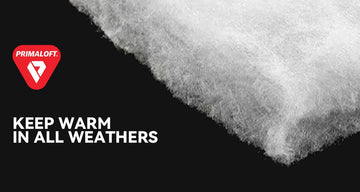
Synthetic insulation is the most reliable alternative to down. Made of man-made fibers, it retains over 80% of its warmth even when fully soaked and dries quickly. It is durable, machine-wash friendly and priced moderately between fleece and high-end down.
It is slightly less warm than top-grade down under the same weight, and long-term compression may flatten the filling. This material is your best choice for humid, snowy and changeable weather in ski resorts.
-
Hybrid Mid-Layers
Modern hybrid designs combine multiple fabrics to maximize strengths. Brands use warm insulation on the torso to keep your core heated, lightweight breathable fabrics under the arms and along the sides for ventilation, and wear-resistant materials on shoulders and cuffs. Such all-round styles are favored by experienced skiers and long-distance tourers.

How to Pick the Right Fit
Fit matters just as much as material. Your mid-layer should be slim-fitting but not tight. A proper cut sits closely over the base layer without loose extra fabric, which would cause heat loss. If it is too tight, it will squeeze the air pockets inside the fabric, reduce warmth and restrict your movements during turns, jumps and squats.
When trying on, be sure to raise your arms, twist your torso and make various skiing poses. If you feel constrained, go for a larger size. Remember to reserve enough space for your outer shell to wear comfortably on top.
Matching Tips for Different Skiing Scenarios
For casual daily skiing at regular resorts, standard fleece or basic synthetic insulation is the most balanced choice with great value for money. If you love backcountry touring and keep moving nonstop, prioritize softshell or lightweight fleece for superior breathability. When you head out on frigid, dry winter days, a down mid-layer will keep you cozy all day long. For areas with heavy snow and high humidity, synthetic insulation is always the safest bet.
Simple Maintenance Advice
Good care can extend the service life of your mid-layer. Wash fleece separately to reduce pilling and avoid sharp tools scratching the surface. Merino wool and down products need low-temperature washing and natural air drying; never use high heat, which will damage the fibers and insulation. For synthetic insulation, regular machine washing is acceptable, and you just need to avoid strong detergent.
Conclusion
All in all, the mid-layer is an indispensable part of your ski outfit. By learning about different materials, selecting a proper fit and following simple maintenance rules, you can easily strike a perfect balance between warmth, breathability and freedom of movement. No matter what conditions you encounter on the slopes, a well-chosen mid-layer will make your skiing and snowboarding adventures far more comfortable and enjoyable.
FAQ
Q: Which mid-layer is best for heavy snow?
A: Synthetic insulation is the top choice, as it stays warm when wet.
Q: Is down suitable for high-intensity skiing?
A: No. Down loses warmth easily if soaked with sweat.
Q: Which to pick for multi-day ski trips?
A: Merino wool is ideal thanks to its anti-odor feature.
Reference


