


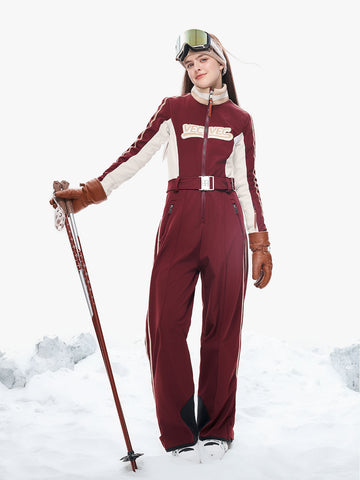
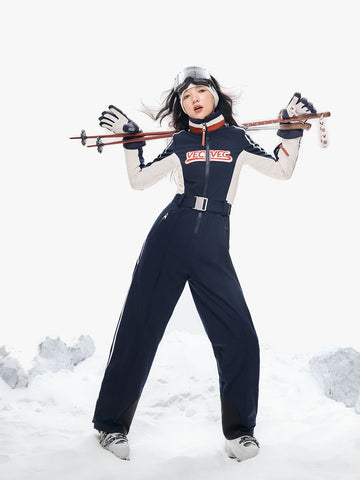


Figuring out what to wear snowboarding is essential for building a comfortable and protective winter outdoor gear setup, especially when curating functional snow wear for skiing and snow adventures. Serving as the vital middle piece between a sweat-wicking base layer and a durable protective snowboard jacket, a quality mid layer locks in body heat steadily while striking a perfect balance between breathability, moisture management and environmental adaptability. Fleece, natural down, and synthetic insulation stand as the three most mainstream mid-layer materials, boasting distinct advantages that suit varying exercise intensities and complex outdoor winter conditions. This article comprehensively analyzes their core performance, pros and cons, as well as applicable scenarios, helping outdoor enthusiasts select the ideal mid layer for all winter outdoor and snow sports adventures.
Content
Core Functions of a Qualified Mid Layer
Material Performance Breakdown
Scenario-Based Buying Guide for Skiing & Outdoors
Conclusion
Core Functions of a Qualified Mid Layer
Skiing and outdoor activities feature fluctuating movement intensities and changeable weather—strenuous uphill hiking generates heavy sweat, while stationary chairlift rides and rest breaks demand stable warmth. A functional mid layer must deliver four key capabilities: effective heat retention, efficient moisture wicking, decent breathability to avoid overheating, and good compatibility with windproof and waterproof outer shells.
Material Performance Breakdown
1.Fleece
Made of premium polyester fabrics, fleece is the most versatile and budget-friendly mid-layer option for outdoor enthusiasts. Its biggest advantages lie in outstanding breathability and moisture management: fleece fibers absorb less than 0.4% moisture by weight, drying rapidly and wicking sweat away from the body during high-intensity movement. It also boasts great durability and flexible thickness options for different cold levels.
However, standard fleece lacks wind and water resistance, letting cold wind and melted snow penetrate easily. It also has a mediocre warmth-to-weight ratio and poor compressibility, taking up more space in your pack.
Best for high-output scenarios including all-day resort skiing, cross-country skiing and winter hiking with continuous movement.

2.Natural Down
Sourced from duck and goose plumage, down is the gold standard for lightweight, high-efficiency insulation, graded by fill power (600–900+). It delivers unbeatable warmth-to-weight ratio and extreme compressibility, packing down to a tiny size ideal for backpacking and ski trips. With proper care, premium down maintains its loft and warmth for years.
Down’s fatal flaw is poor wet-weather performance: its fluffy clusters collapse when wet from snow or sweat, losing almost all insulation and drying extremely slowly. It also has low breathability, easily causing overheating during strenuous exercise, and requires expensive pricing and professional maintenance.
Best for cold, dry environments, stationary ski rest breaks, dry-climate camping and casual winter outdoor activities.

3.Synthetic Insulation
Engineered from polyester fibers such as PrimaLoft and 3M Thinsulate, synthetic insulation is designed to fix down’s wet-weather weaknesses. It retains over 80% of its warmth when damp, dries quickly, and offers a balanced mix of warmth and breathability, adapting to mixed activity intensities. It is vegan-friendly, low-maintenance and performs stably in humid, snowy and unpredictable weather.
Its limitations are lower warmth-to-weight ratio and compressibility than down, plus shorter service life as fibers gradually lose loft after long-term use and frequent washing.
Best for backcountry skiing, splitboarding, winter hiking in wet conditions and multi-day outdoor trips with changeable weather.

Scenario-Based Buying Guide for Skiing & Outdoors
Resort Skiing: Choose lightweight down for dry, frigid days to fight cold during rest stops. Opt for mid-weight fleece or synthetic insulation for damp, slushy snowy days to avoid moisture failure and manage exercise sweat.
Backcountry Skiing & Splitboarding: Synthetic insulation is the top choice. Its reliable wet performance prevents hypothermia risks in unpredictable snowy and humid backcountry terrain.
High-Aerobic Winter Sports: Lightweight fleece is unmatched for cross-country skiing and winter running, as its superior breathability avoids sweat buildup and overheating during continuous movement.
Camping & Hiking: Pick down for dry, cold mountain backpacking for its packable warmth; choose synthetic insulation for damp, rainy camping areas; fleece suits most casual day hikes.
Conclusion
No single mid layer fits all scenarios. Fleece is the cost-effective, versatile workhorse for high-intensity daily outdoor and skiing activities. Down dominates cold, dry, low-movement scenarios with unrivaled lightweight warmth and packability. Synthetic insulation is the safest all-round option for wet, changeable winter conditions. For seasoned outdoor lovers, a combination of lightweight fleece and synthetic insulation covers most daily needs, while adding a compact down layer prepares you for extreme dry cold weather all winter long.
FAQ
Q: Which mid layer is best for everyday resort skiing?
A: Mid-weight fleece or synthetic insulation works best. They handle sweat during active runs and damp snow conditions far better than down.
Q: What is fleece most suitable for?
A: It is ideal for high-aerobic and continuous activities like cross-country skiing, all-day resort skiing and winter hiking thanks to superior breathability and quick drying.
Q: Is synthetic insulation better than down?
A: Not exactly. Synthetic outperforms down in wet and humid conditions, but down has a far better warmth-to-weight ratio and compressibility for dry and cold environments.


