




For winter sports lovers, dependable high quality skiing gear lays the foundation for safe and enjoyable snowy outdoor activities. Conventional winter jackets always face unavoidable drawbacks: bulky styles keep warm but restrict movement, while lightweight versions are flexible yet poor against severe wind and snow. Whether you need a professional-grade snowboard jacket for adult skiing sports or a protective, well-fitted kids ski jacket for children’s outdoor training, traditional uniform insulation fails to balance warmth, breathability and mobility. In contrast, zonal insulation, or body-mapped insulation, has upgraded snow jacket design.
What Is Zonal Insulation?
Zonal insulation—also known as body-mapped insulation—is the targeted thermal solution that solves these pain points once and for all. As its name suggests, this advanced construction technology strategically distributes insulation padding across different areas of a ski jacket based on human body physiology. Built around thermodynamics and ergonomic research, it matches each garment zone to the body’s unique heat loss rates, sweat output patterns and range of motion, delivering customized warmth exactly where wearers need it most without unnecessary bulk.
The Downsides of Traditional Uniform Insulation
Insulated jackets retain heat by locking static air as a natural thermal buffer. Traditional ski jackets use the same insulation thickness and filling all over, a design fit only for stationary use rather than active winter sports.
Human bodies lose heat and sweat unevenly: the core needs heavy insulation to hold warmth in cold weather, while underarms, sides and elbows sweat heavily while skiing. Even padding traps sweat in high-movement zones, leaving the jacket damp and triggering coldness after activity. Extra bulk also restricts bending and twisting, hindering movement and tiring muscles faster—problems fully resolved by zonal body-mapped insulation.
How Zonal Insulation Works: Four Core Functional Zones
Zonal insulation customizes insulation materials, thickness, and density for different body areas, achieving an ideal balance of warmth, breathability, and flexibility. Premium snow jackets are divided into four key functional zones.
-
Core Torso Zone: Maximum Heat Retention
The chest and upper back are the body’s thermal center and require the thickest, highest-loft insulation to resist harsh wind and snow penetration. For dry, extremely cold environments, 600 to 900-fill-power down is the premium choice, offering an outstanding warmth-to-weight ratio and excellent packability. For wet, snowy conditions, water-repellent treated down or advanced synthetic insulation such as PrimaLoft and Sorona performs better. High-end jackets adopt box baffle construction in this zone to eliminate cold spots caused by stitching compression. Some models also add radiant barrier linings that reflect body infrared heat inward without adding extra weight.
-
High-Mobility Sweat Zones: Priority Breathability
Underarms and side panels are the body’s primary sweat zones during intense activity. These areas use ultra-light insulation paired with four-way stretch breathable fabrics to boost air circulation and speed up sweat evaporation, effectively preventing stuffiness and dampness. Most professional snow jackets feature underarm pit zips, allowing users to release excess heat quickly during high-intensity downhill runs and maintain all-day dry comfort.
-
Limb & Joint Zones: Balanced Warmth and Durability
Upper arms and elbows require moderate warmth and superior abrasion resistance. Brands use compression-resistant synthetic insulation here to maintain stable thermal performance through repeated bending and friction. The outer ripstop nylon overlay further protects these high-wear areas from damage caused by ski equipment, tree branches, and sharp snow surfaces, greatly extending the jacket’s service life.
-
Edge Sealing Zones: Wind and Snow Blockage
Hoods, collars, cuffs, and hems serve as the jacket’s outer defense system against cold and snow. The rear hood and collar are filled with medium-loft insulation to reduce head and neck heat loss, while the flexible front hood preserves clear vision and free head movement, fully compatible with ski helmets. Slim insulation and adjustable Velcro cuffs seal wrist gaps to block cold air and snow without affecting glove adjustment and gear operation. The hem combines lightweight insulation, adjustable drawcords, and an internal snow skirt to prevent cold wind and drifting snow from entering the jacket.
How Vector Applies Zonal Insulation to the Snow Outfits
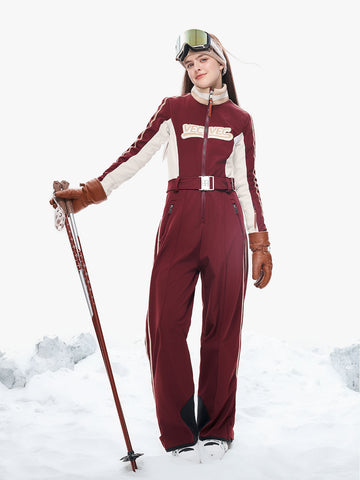
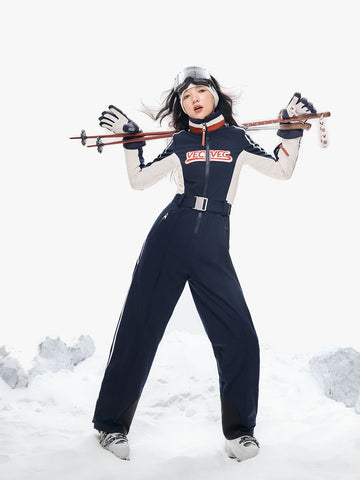
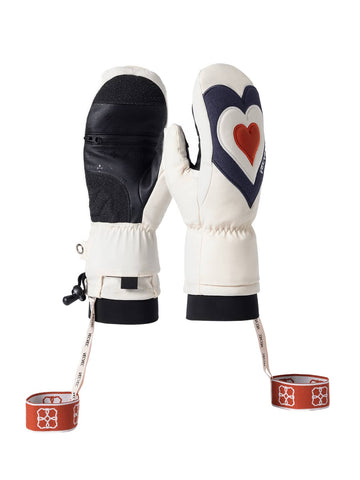
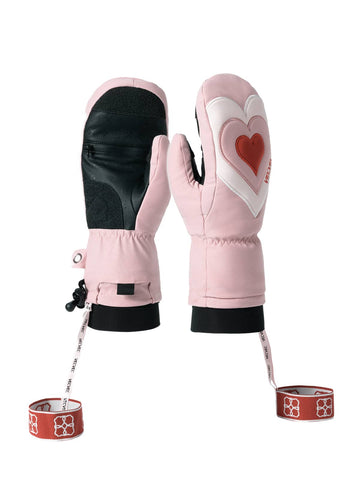
The Vector ski suits adopt the zonal insulation technology. By distributing different amounts of thermal insulation weights to different parts of the clothing, it perfectly matches the heat loss and activity requirements. The following are the Vector ski suits that apply this zonal insulation technology.
By deploying two targeted insulation weights across the torso, sleeves, hood and trousers, Vector eliminates the drawbacks of one-size uniform filling. It delivers heavy-duty warmth for the heat-vital core and lightweight, flexible padding for high-movement regions, bringing the theoretical advantages of zonal insulation into real, wearable ski apparel.
Conclusion
Zonal insulation is far more than a minor design upgrade; it is an innovative combination of thermal science and ergonomic engineering. It replaces the outdated uniform insulation method with precise body-mapped temperature control: thick and warm for heat-losing core areas, lightweight and breathable for active sweat zones, and tough and sealed for outer edge areas. For skiers, snowboarders, and winter hikers, this smart insulation technology perfectly balances warmth, mobility, and comfort, making it an essential feature of all high-performance modern snow jackets.
FAQ
Q: Why is traditional uniform insulation not ideal for snow sports?
A: It causes bulk and restricted movement on active zones and traps sweat, leading to dampness and chills, while failing to fit the body’s uneven heat loss features.
Q: Which areas get the thickest insulation in zonal design?
A: The core torso (chest and back) uses the thickest, highest-loft insulation for maximum heat retention against cold wind and snow.
Q: Is zonal insulation suitable for both adult and kids snow jackets?
A: Yes, it works for both professional adult snowboard jackets and protective kids ski jackets, improving overall wearing comfort and performance.


